|
|
|
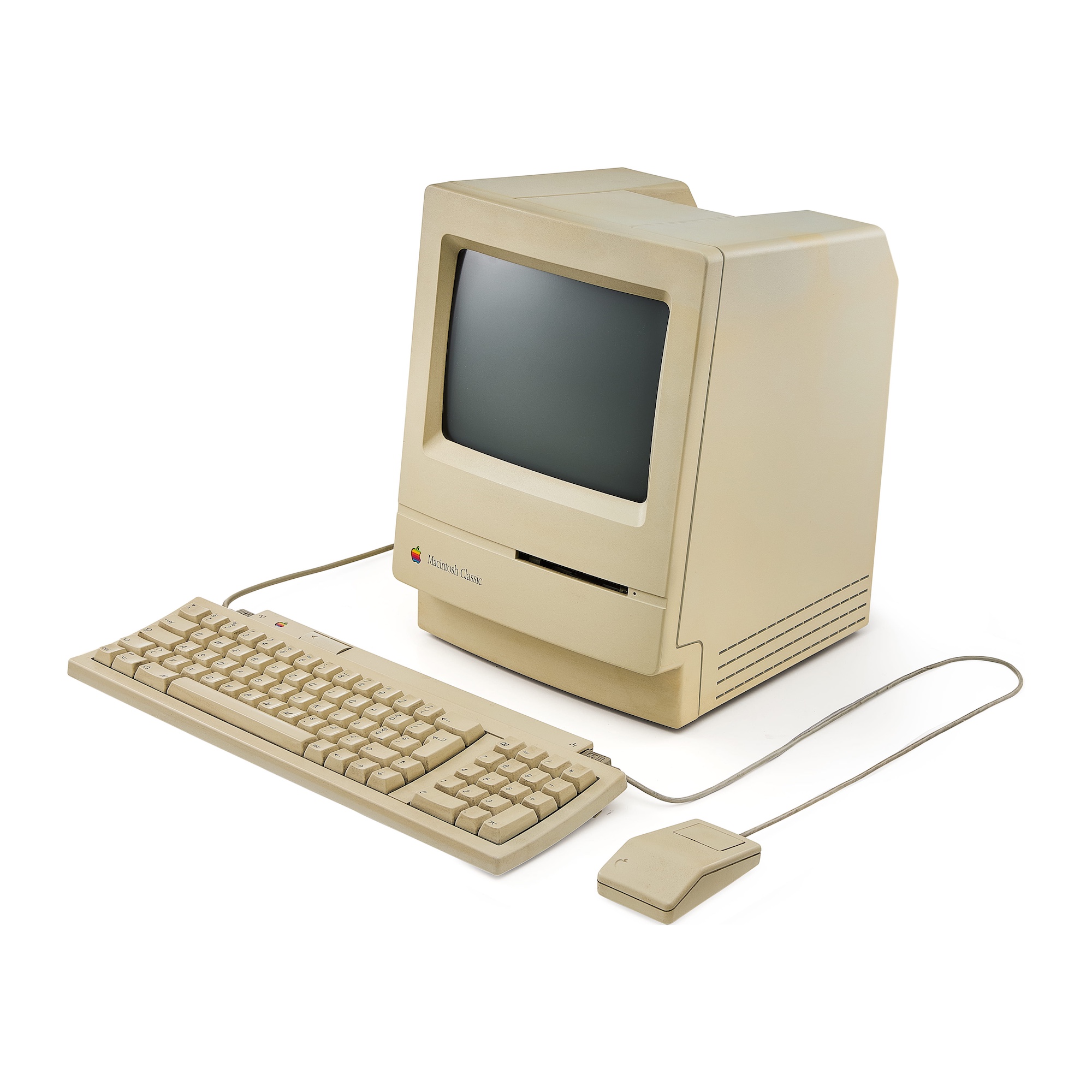
Apple Macintosh
Classic Released in 1990 as an affordable home computing
option.
Features a 9-inch monochrome CRT display and a compact
all-in-one design.
Ran on System Software 6.0.7 and was powered by a Motorola 68000
processor. |
| |
|
|
|
|
|
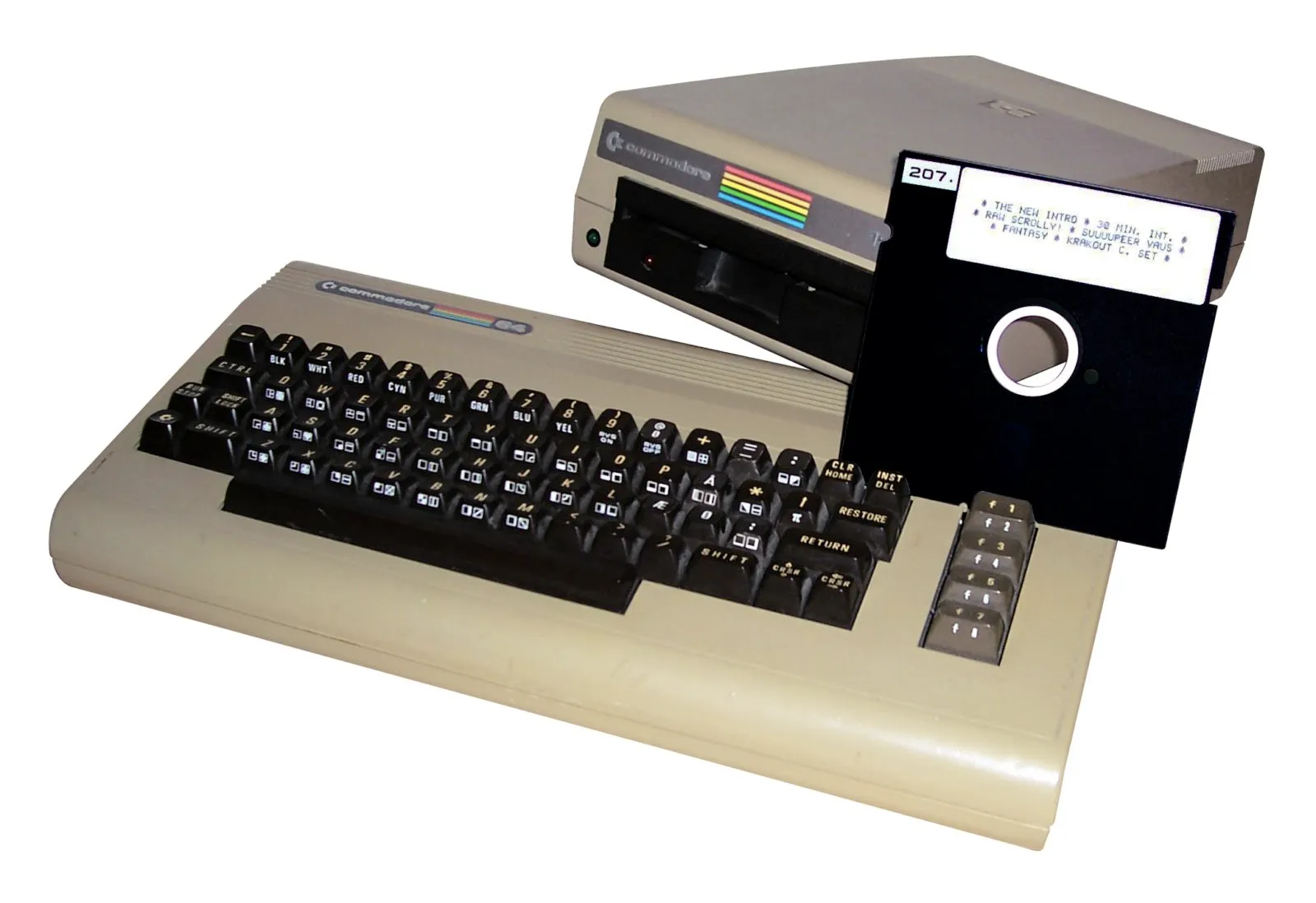
Commodore 64
Debuted in 1982 and became one of the best-selling single personal
computers.
Notable for its 64 KB of RAM and superior sound and graphics for its
time.
Had a large library of games and software, making it popular for both
entertainment and educational purposes. |
| |
|
|
|
|
|
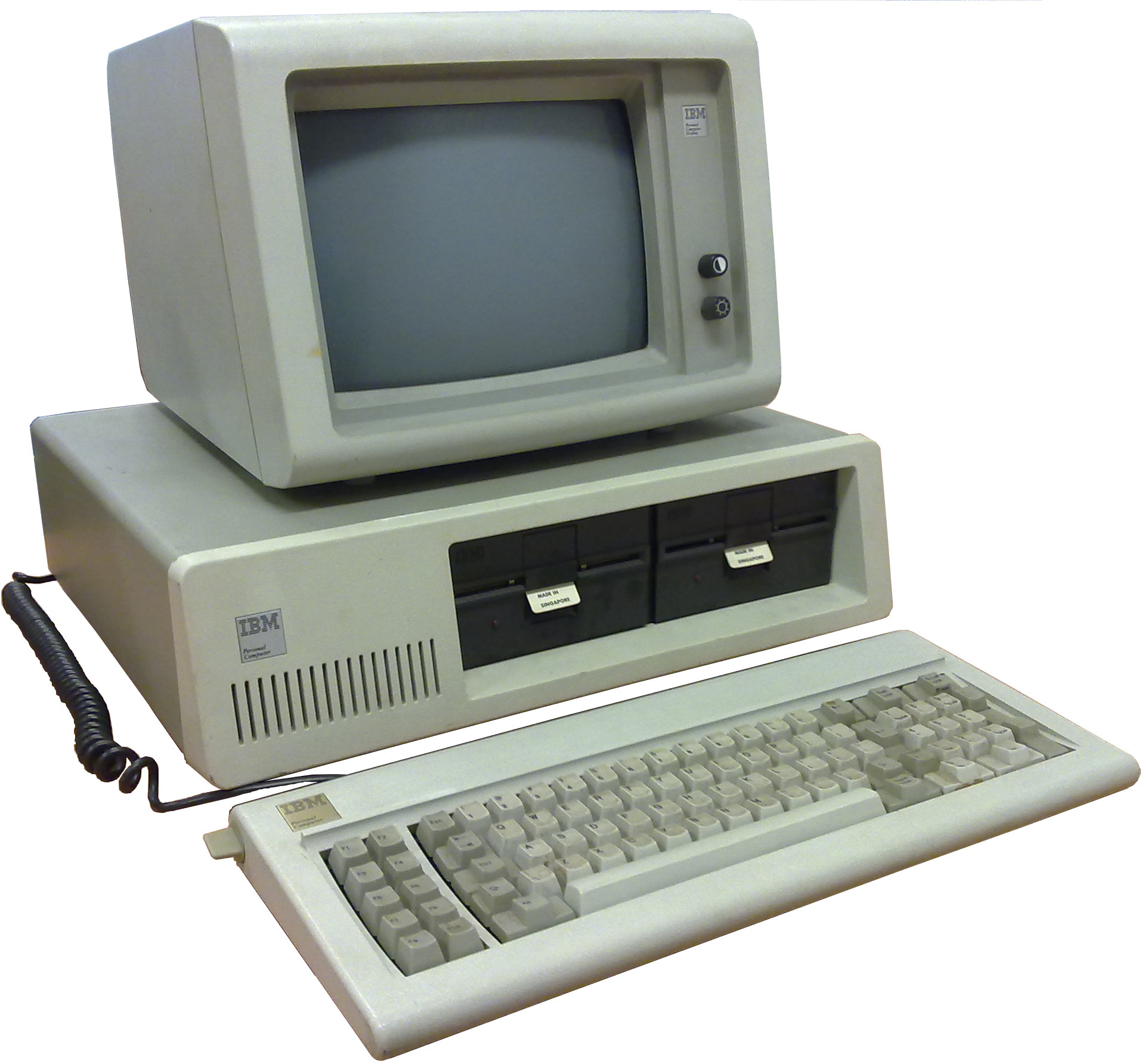
IBM Personal Computer (IBM PC 5150)
Introduced in 1981, it set the standard for PC architecture.
Equipped with an Intel 8088 processor and initially came with 16 KB of
RAM, which was expandable.
Supported both a color and monochrome monitor. |
| |
|
|
|
|
|
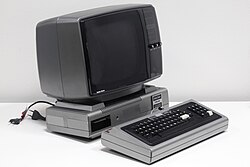
Tandy TRS-80
Launched by Radio Shack in 1977, one of the earliest mass-market
personal computers.
Came with 4 KB of RAM and used a Zilog Z80 processor.
Known for its affordability and availability, making it a popular choice
for schools and small businesses. |
| |
|
|
|
|
|
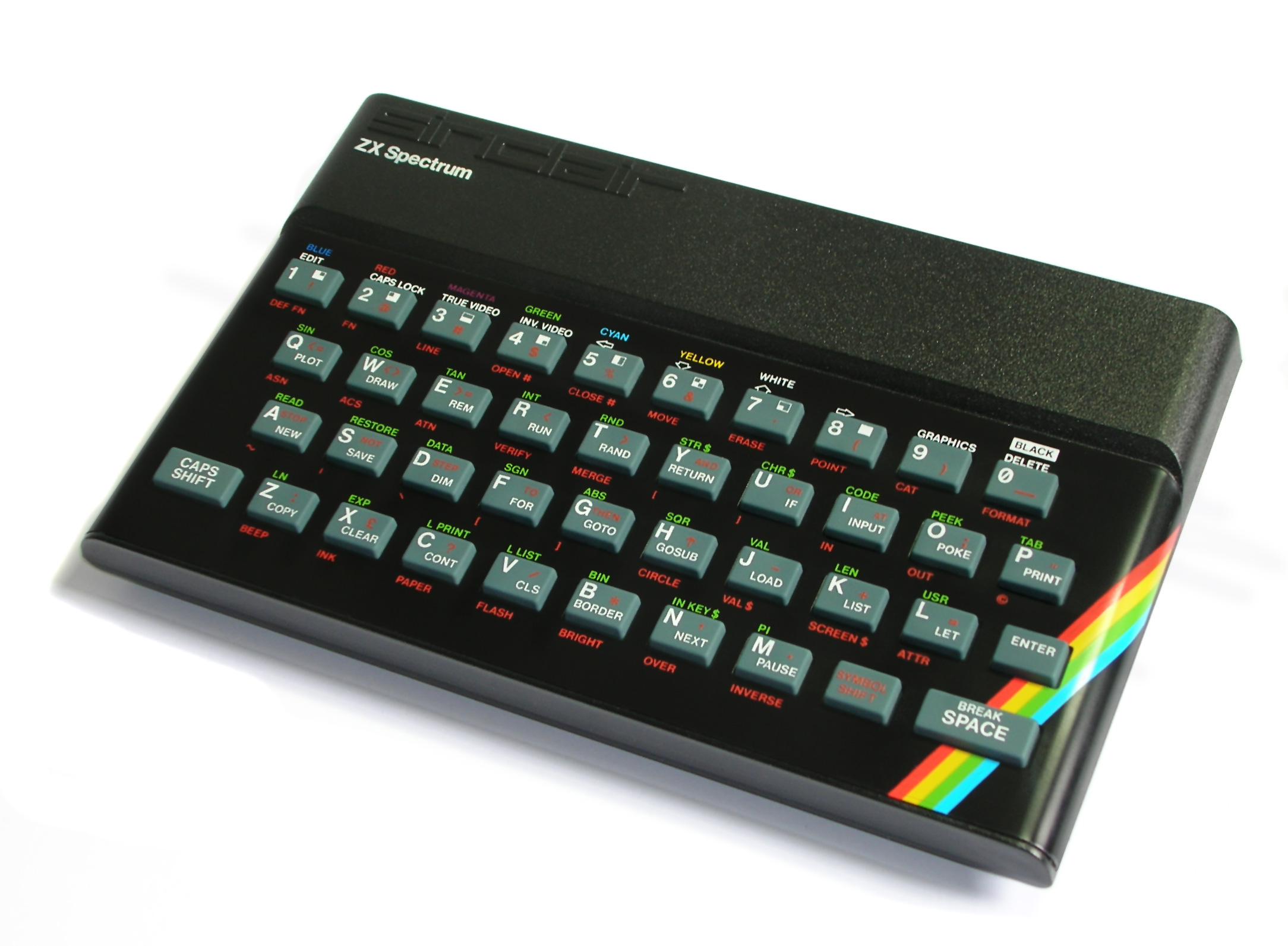
Sinclair ZX Spectrum
Released in 1982 in the UK and became famous for sparking a
wave of hobbyist programmers.
Featured color graphics and sound, which were impressive at
its price point.
Supported a range of games and educational software, becoming
a cultural icon in Britain. |
| |
|
|
|
|
|
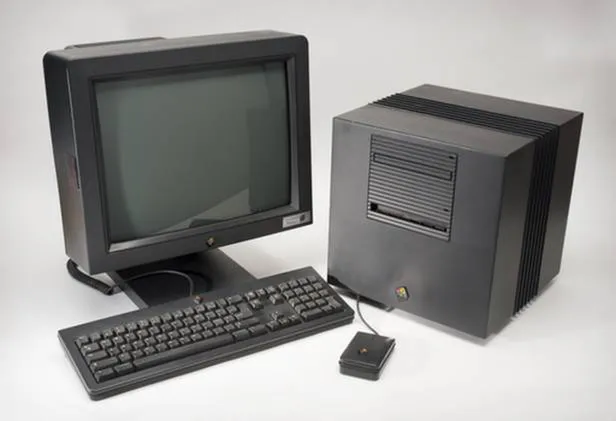
NeXT Computer
Introduced in 1988 by Steve Jobs' company NeXT Inc, targeting
higher education and business markets.
Featured a 25 MHz Motorola 68030 processor and 8 MB of RAM
Notable for its object-oriented software development system
and distinctive, cube-shaped design. |
| |
|
|
|
|
|
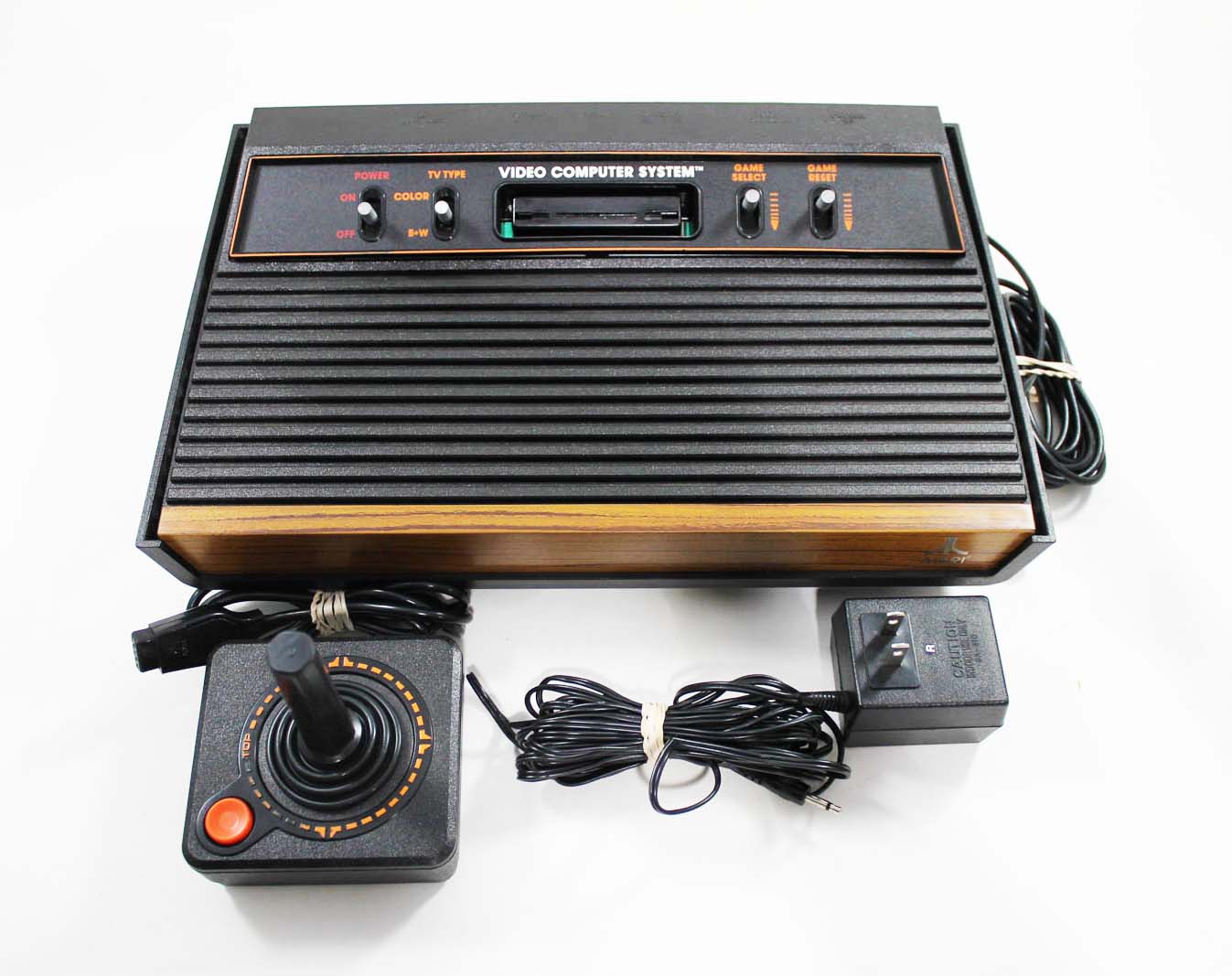
Atari 2600
Released in 1977, it popularized the use of interchangeable
game cartridges.
Known for classic games like 'Space Invaders' and 'Pac-Man'.
Helped establish the video game industry in the United States. |
| |
|
|
|
|
|
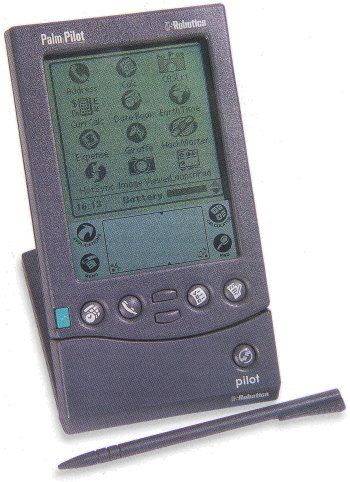
Palm Pilot 1000
Introduced in 1996, this was one of the first successful PDAs.
Featured a touchscreen for input via stylus, a novel feature
at the time.
Offered basic applications like a calendar, contact book, and
memo pad |
| |
|
|
|
|
|
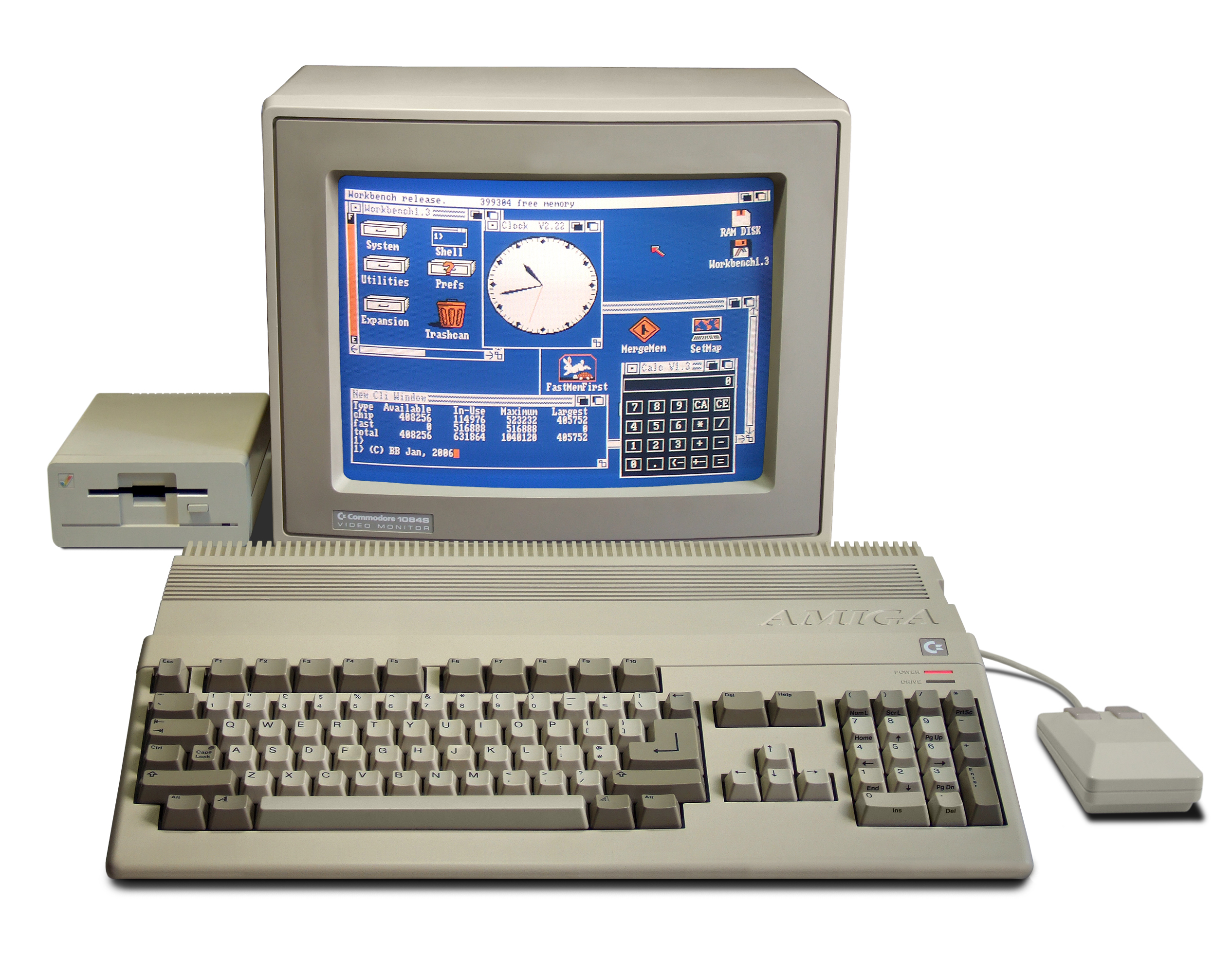
Amiga 500
Launched in 1987 and known for its powerful graphic and audio
capabilities.
Powered by a Motorola 68000 CPU and had a custom chipset with
advanced graphics and sound.
Became particularly popular in Europe for video production and
gaming. |
| |
|
|
|
|
|
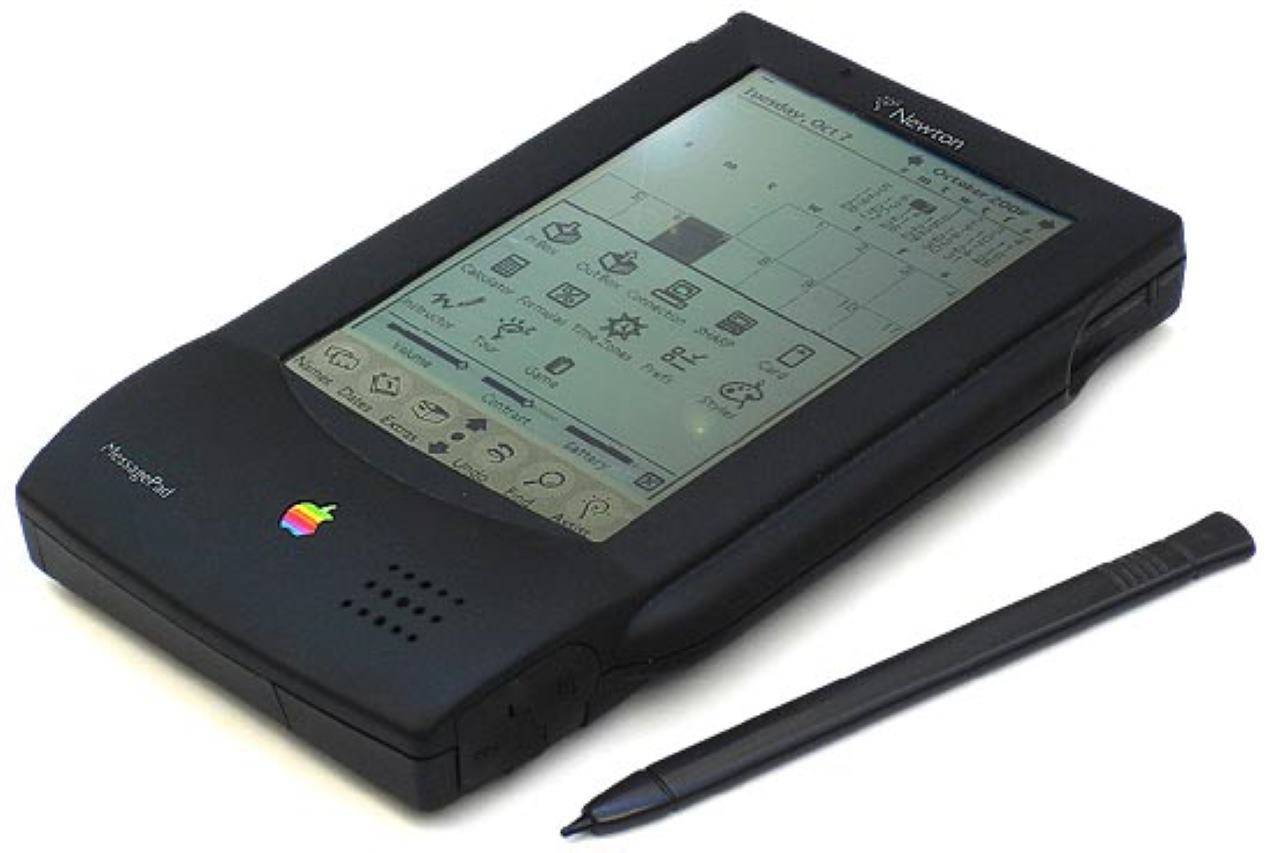
Apple Newton
MessagePad Introduced in 1993.
Featured handwriting recognition software, which was
innovative but initially received mixed reviews.
Ran on a custom ARM processor. |
| |
|
|
|
|
|
Texas Instruments TI-99/4A
Introduced in 1981 as the first home computer with a 16-bit
processor.
Offered a unique plug-in expansion system and speech synthesis
capabilities.
Had a solid library of educational software, contributing to
its popularity in schools. |
| |
|
|
|
|
|
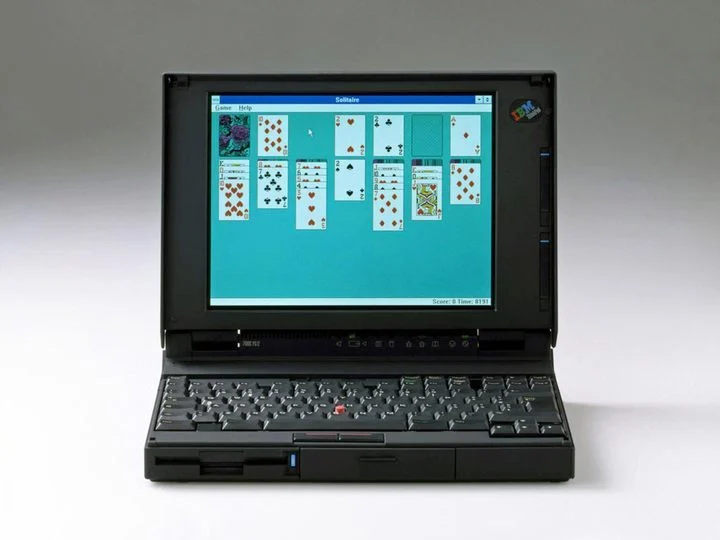
IBM ThinkPad 700C
Released in 1992, one of the first laptops with a color TFT
display.
Known for its robust build quality and the innovative
TrackPoint pointing device.
Became a standard in business environments for its reliability
and performance. |
| |
|
|







 or
or
